Why a generic price per kilogram can be misleading.
People often search for a simple scrap metal price per kilogram. That number is only useful when the metal, grade and condition match the material being assessed. Clean copper wire, insulated cable, mixed plumbing fittings and ferrous steel are different products, even when they arrive in the same load.
Opex Metal Recycling assesses the actual material before confirming current information. Clear photos, an honest quantity estimate and basic sorting help produce a more relevant first response. Website articles explain the process; they are not fixed-price offers.
Four factors shape a scrap metal assessment.
The same-looking load can receive a different assessment when its grade, contamination, weight or handling requirements change.
Metal type and grade
Copper, aluminium, brass, stainless steel, lead and steel trade as different material categories. Each category can also contain several grades that cannot be confirmed from a generic online list.
Cleanliness and attachments
Insulation, plastic, paint, screws, fittings and mixed-metal attachments can affect classification because extra material may need separation or processing.
Quantity and sorting
A small mixed box, a separated trailer load and an ongoing commercial stream are assessed differently. Useful quantity details make the first conversation more accurate.
Market and collection needs
Commodity conditions change, while pickup suitability depends on location, load size, access and safe handling. Confirm both the material assessment and collection arrangements with Opex.
“Copper” or “aluminium” is only the starting point.
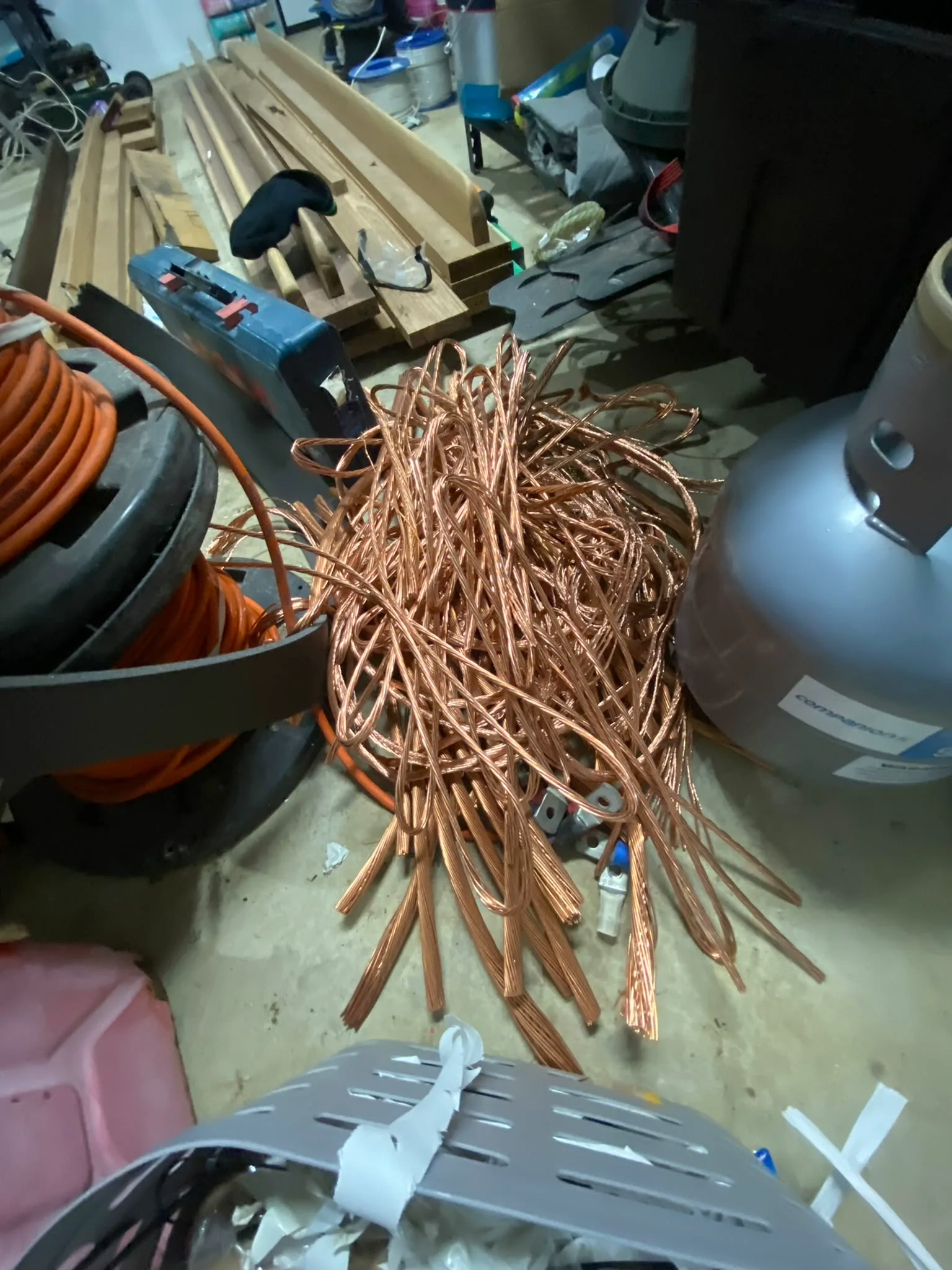
Material form and condition matter. Bright copper wire is not assessed in the same way as insulated cable. Aluminium extrusion, sheet and mixed aluminium may be classified separately. Brass fittings can arrive with steel or plastic attachments, while stainless steel and ordinary ferrous steel are different categories.
Do not cut, burn, strip or dismantle unfamiliar items just to chase a grade. Separate only what is safe and practical, then ask Opex if additional preparation is worthwhile.
- Keep clearly different metals in separate containers
- Leave hazardous or unidentified items untouched
- Photograph markings, cut ends and attachments
Send evidence, not just a metal name.
- 01
Take a wide photo and close-ups
Show the complete load, then photograph labels, cut ends, cable, fittings, contamination and mixed attachments.
- 02
Estimate the real quantity
State the number of items, bins or approximate weight, or whether the material fills a ute, trailer or larger area.
- 03
Add location and access details
If pickup may be required, include the suburb, parking or gate access, lifting needs and any practical collection constraints.
What to confirm before recycling.
Can Opex give an exact scrap metal price from a photo?
Photos and quantity details can support an initial discussion, but the final metal type, grade, weight and value may only be confirmed after inspection.
Why do online scrap metal price lists differ?
Lists may refer to different grades, locations, dates, quantities or conditions. Commodity markets also move, so an old figure may not apply to the material you have today.
Does separating scrap metal affect the assessment?
Separating obvious metal types can make inspection easier and reduce uncertainty, but only do preparation that is safe and practical. Ask Opex before time-consuming stripping or dismantling.
Is pickup available for every load?
No. Pickup is assessed case by case using the material type, quantity, suburb, access and safe-handling requirements. Opex confirms availability before collection is arranged.